Howl: Designing a Hyperlocal Network
Scaling networks can be difficult, but once you spark a densely engaged atomic network, growth becomes self-sustaining.
Client
Howl, Inc.
Role
Chief Design Officer
Building a Hyperlocal Foundation
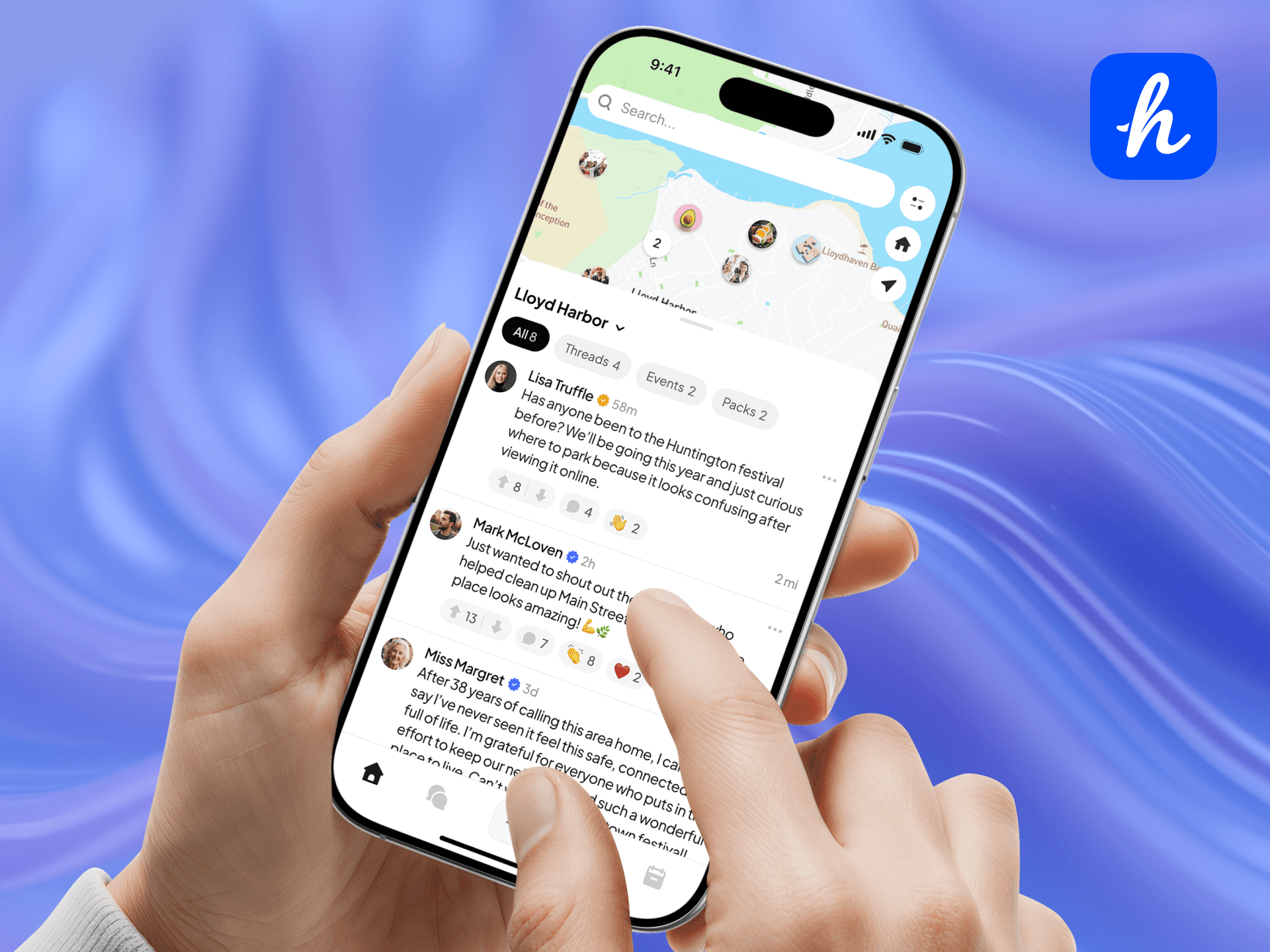
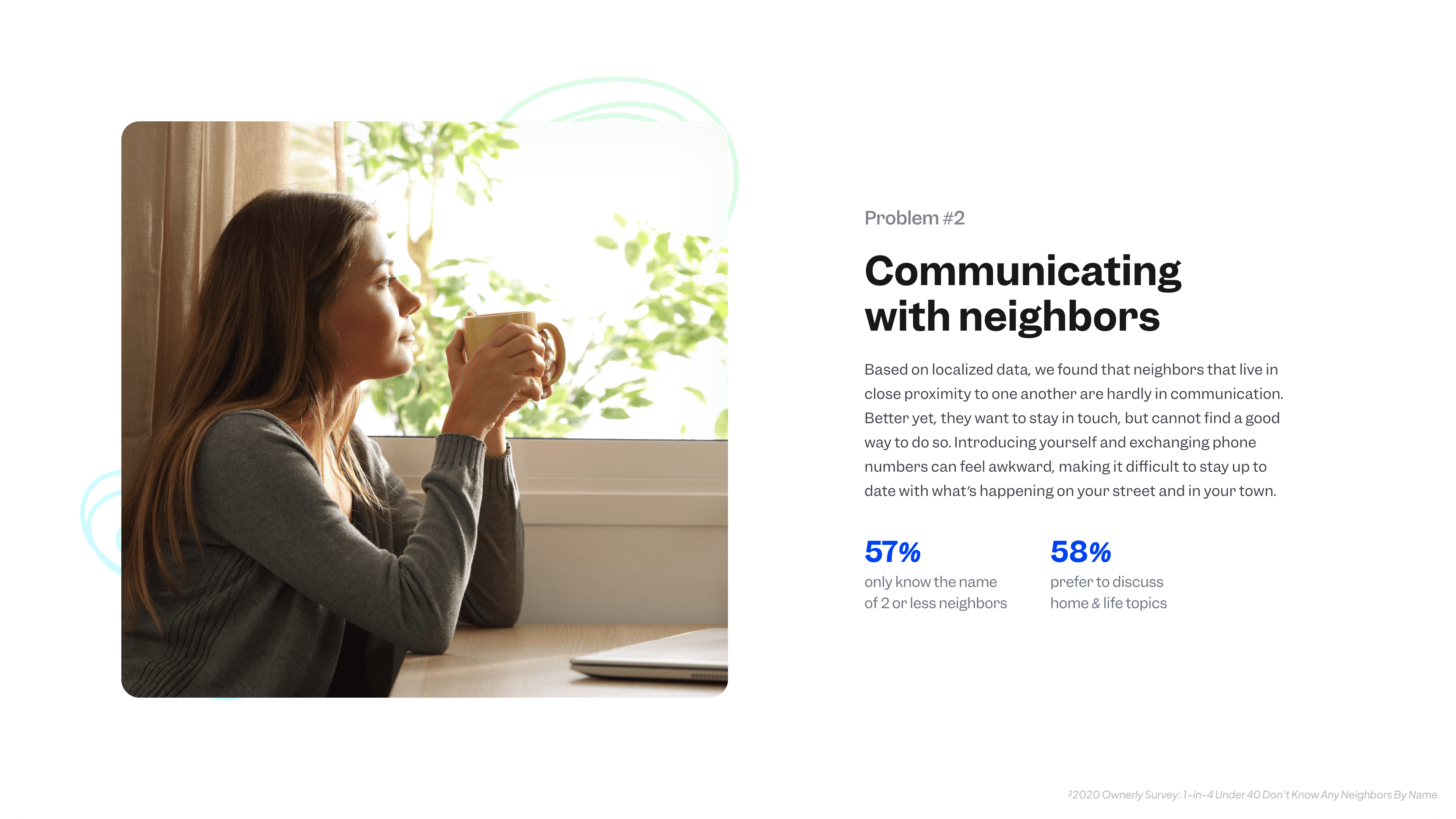
Howl set out to create a verified, hyperlocal platform where neighbors could connect, share updates, and discover what was happening around them. The early product had heart, but there was no companionship across its features. Chats lived in different places, events didn’t feel connected to ongoing conversations, and local posts felt more like static notices than living neighborhood moments. My role was to help reshape Howl into a unified, intuitive community network. The goal was twofold: build a scalable product foundation that could support rapid iteration, and create an experience that felt warm, human, and reflective of the real pace of neighborhood life. Through interviews, surveys, and observing early networks, we learned how differently communities behave across states. Dense towns moved fast, while rural areas valued clarity and context. These insights guided how we redesigned communication, visibility, and the emotional tone of the product. We ultimately landed on a single experience for all that helped communities connect in different ways.
Key Takeaways
Targeted research across varied community types & regions
New core design system for scalability & brand positioning
Restructured IA design for in-app communication models

Redefining local communication
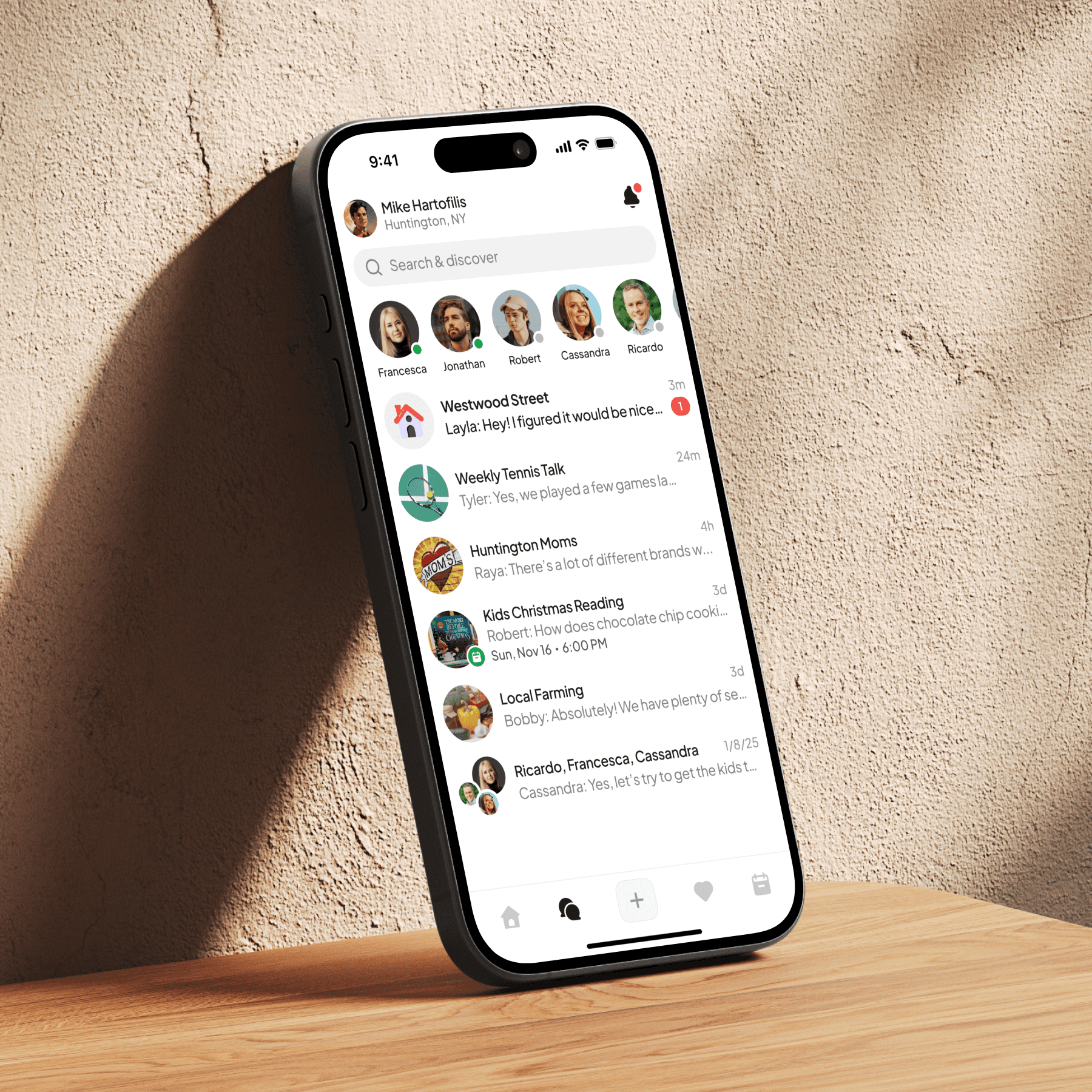
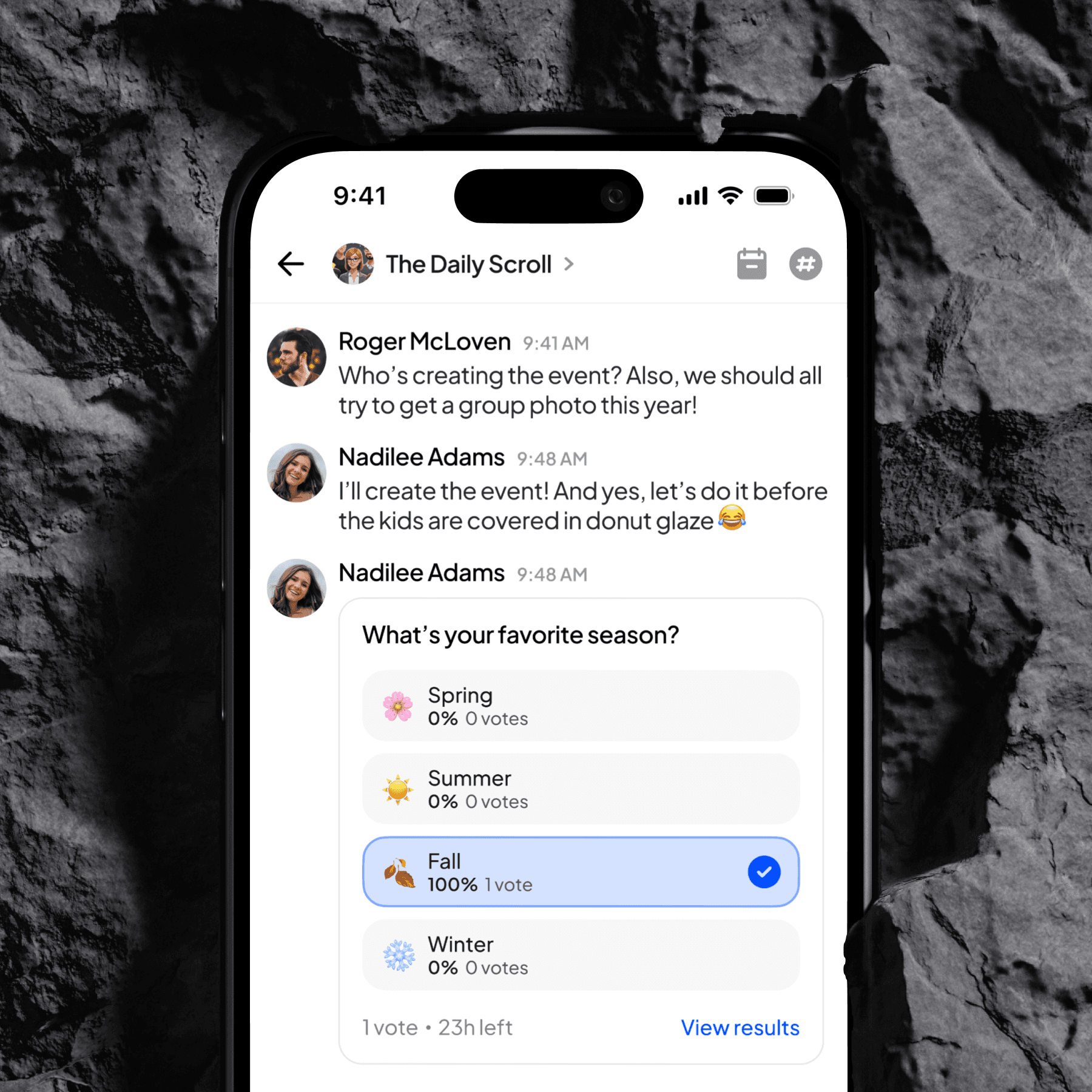
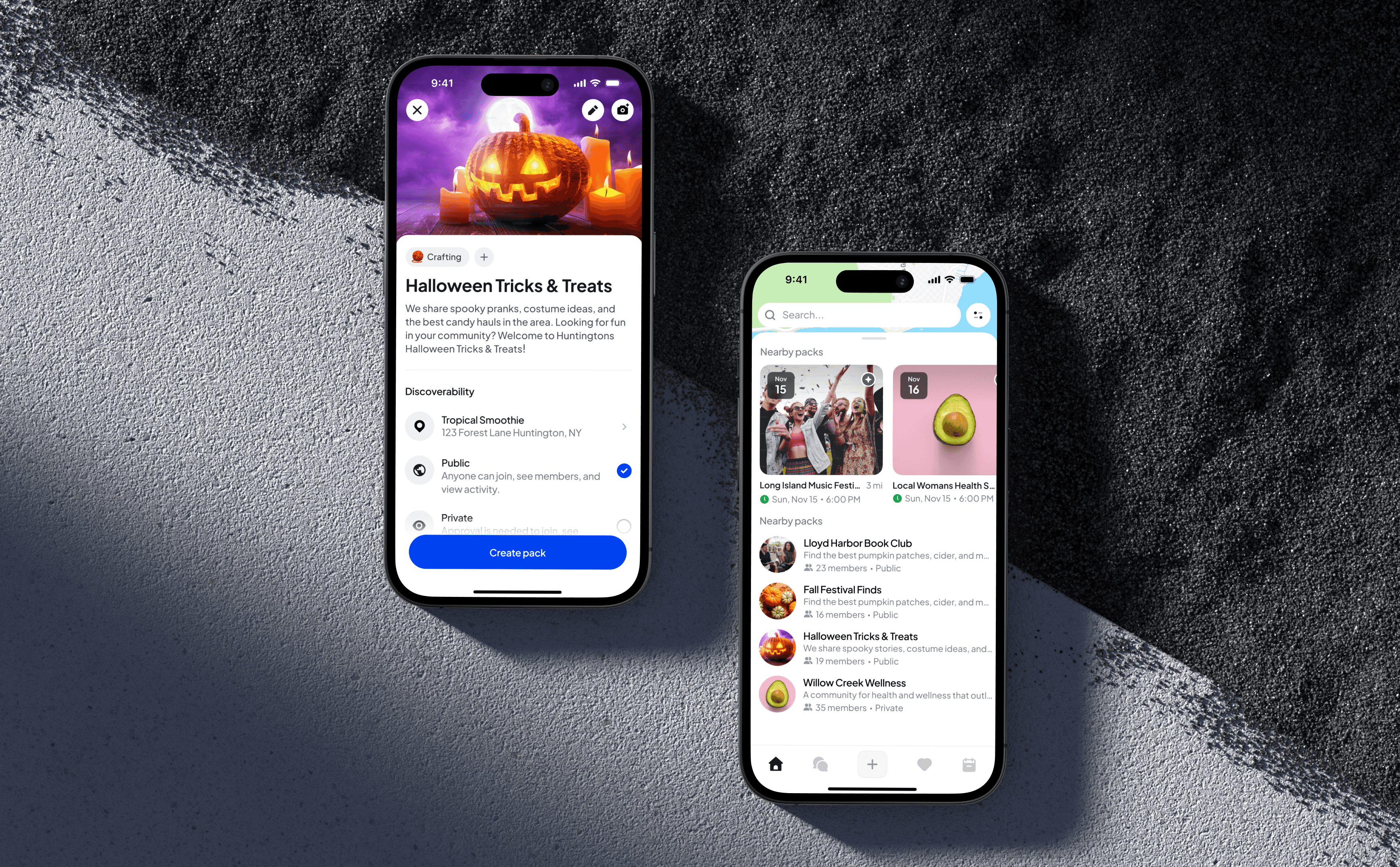
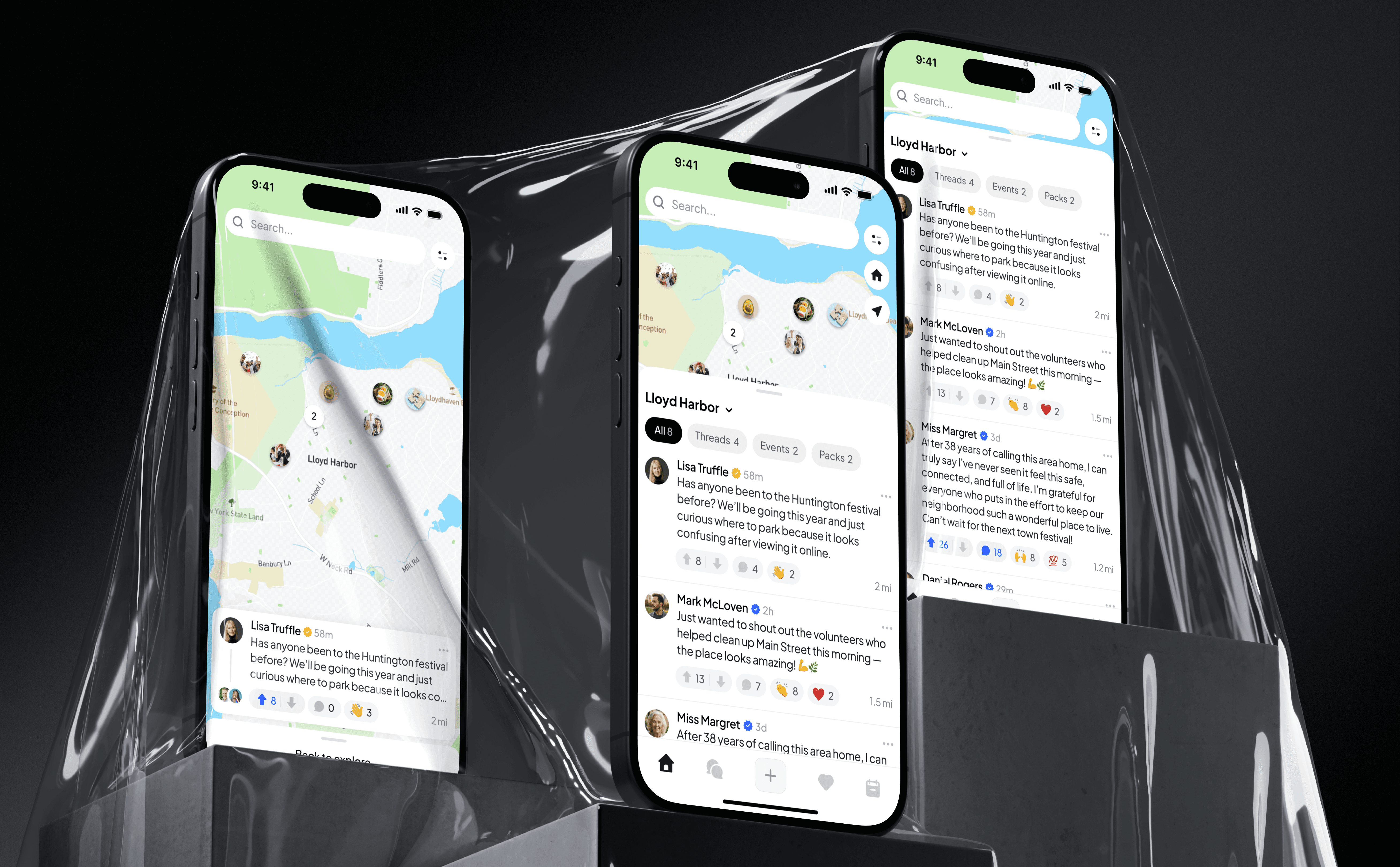
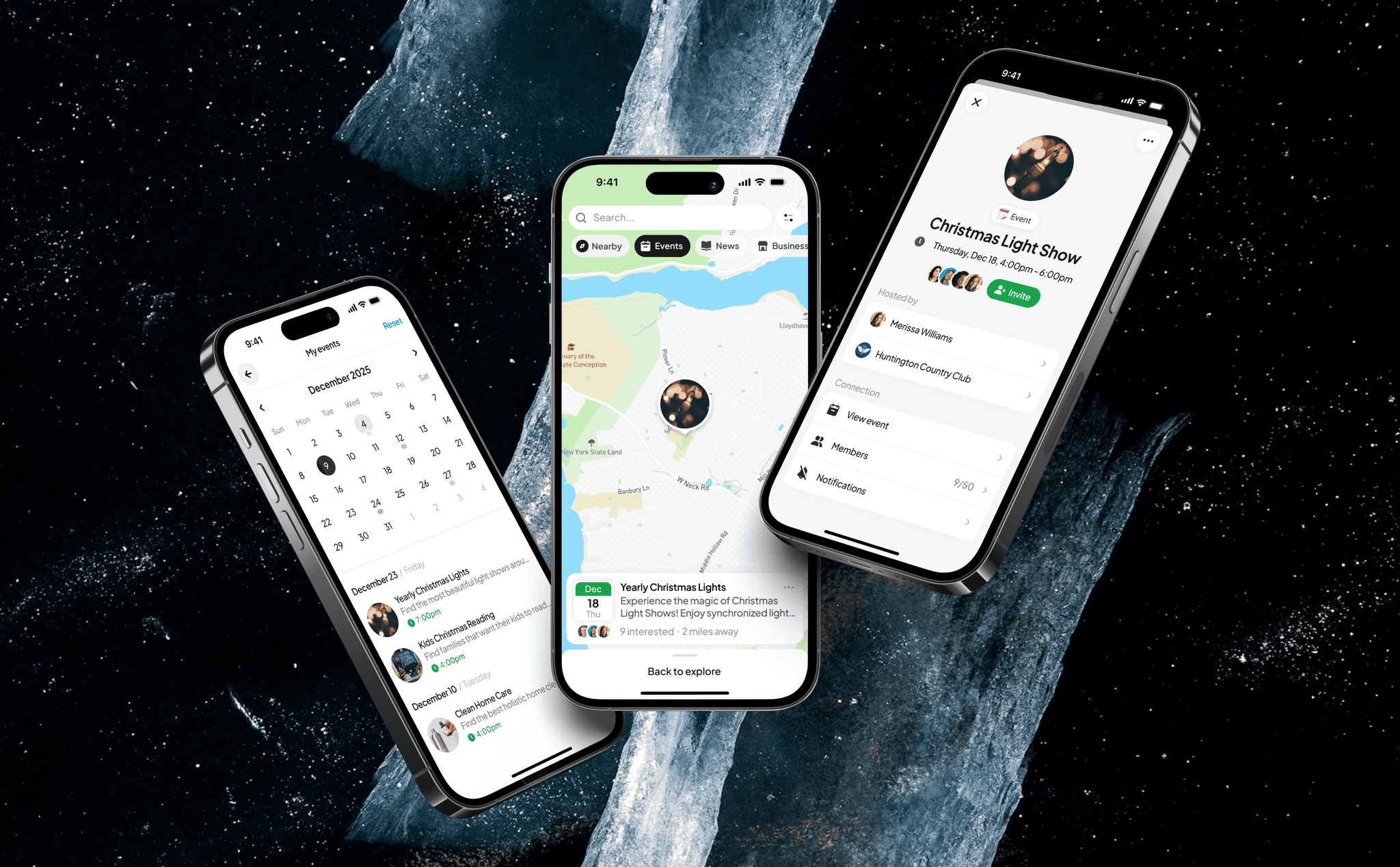
To support the product vision, the first step was rebuilding the design system from the ground up. Colors, type, spacing, components, and behaviors were unified into a single scalable system that allowed new features to feel connected, predictable, and easy to evolve. With this foundation in place, we were free to rethink the communication experience holistically. We introduced a unified conversation hub that brought DMs, groups, and event chats into one place. Events gained its own structure, map visibility, and dedicated discovery space, while local threads evolved into real-time conversations tied to location and relevance. Since relevance was so important, threads would naturally expire from the map over time making sure neighbors were aware of timely happenings instead of having a wasteland of content from weeks past. To make communication more expressive, we added tools like polls, nested replies, quick reactions, and AI-generated photos and avatars. A redesigned global search experience connected all content types, helping neighbors find people, conversations, events, and local activity across the entire network. To validate these systems in the real world, we ran atomic network experiments in Long Island, Montana, and other regions. By testing onboarding flows, communication patterns, and even handwritten mailers, we learned what helped small communities take root and what was essential for enabling them to sustain over time.
Key Takeaways
Validated communication patterns through small atomic networks
Introduced relevance-based threads & expressive chat tools
Unified communication channels to keep context clear and continuous
89%
Increased Engagement
3,000+
Users Per Network
~75%
DS Adoption
Outcomes & Reflection
By the end of this work, Howl had transformed into a cohesive, real-time neighborhood network with a unified design language, clearer communication model, and a stronger sense of place in the market. Multiple communities were formed across several states, validating the hyperlocal approach and providing a clear foundation for future expansion. The biggest lesson from this project is that neighborhoods thrive through simplicity and emotional resonance, not feature complexity. Designing Howl meant understanding why neighbors communicate, not just how. The product had to support spontaneous moments, shared discoveries, and the subtle social cues that make everyday interactions feel human. Helping shape this platform remains one of the most rewarding experiences of my career, because at its core, Howl wasn’t just about technology. It was about helping people feel connected to the world immediately around them.
Key Takeaways
Validated the original PoC and expanded all communication models
Established a durable foundation for long-term engagement, growth, and product evolution
Learned how simplicity and emotional clarity drive real neighborhood connection
Recent Designs